Protecting Your Collection
As the value of vintage titles continues to rise, the market for counterfeit items has grown. Whether you are collecting in London, Kentucky or globally, knowing how to authenticate your finds is a vital skill. Start by consulting our retro gaming guides, which cover the nuances of hardware identification. Many trusted retro game stores are your best line of defense against bootlegs.
Identifying Counterfeits
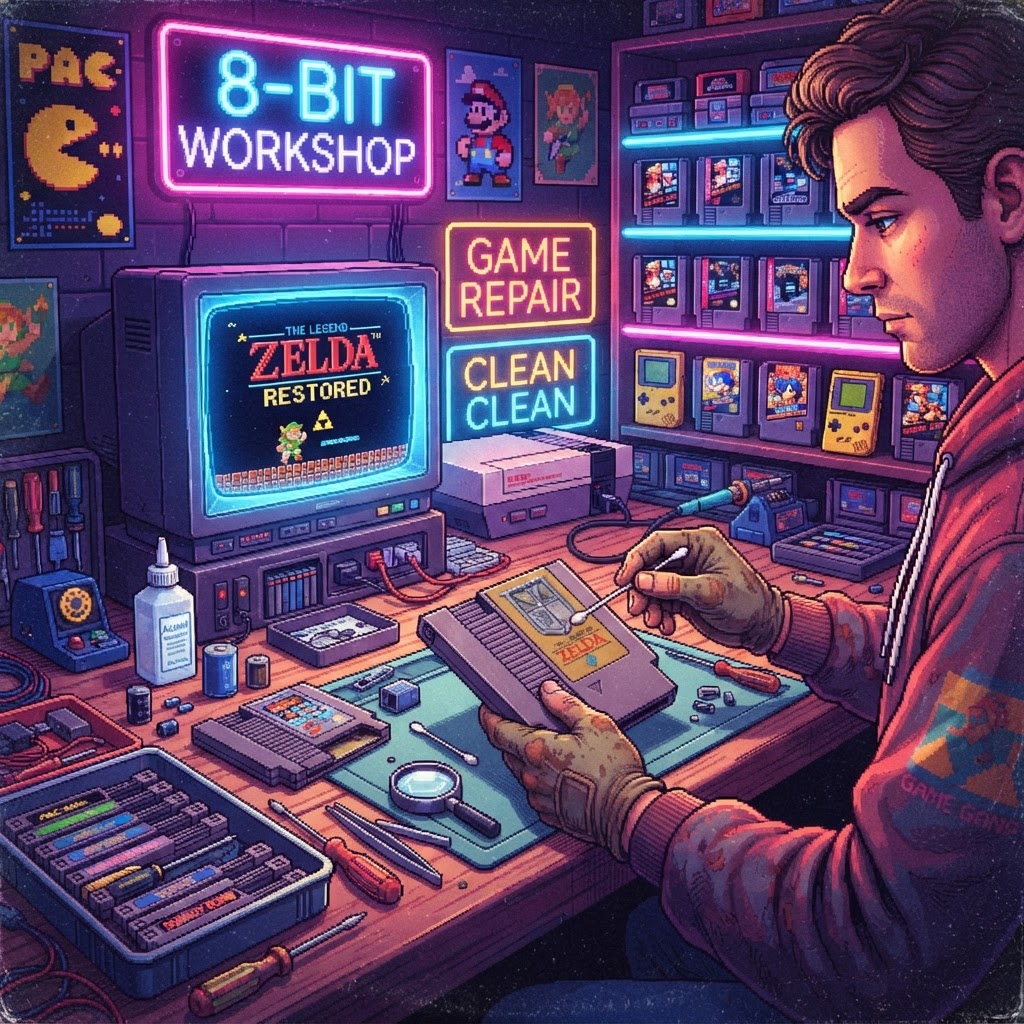
Refer to the collector's guide to finding authentic cartridges to learn about label printing, shell plastic quality, and PCB markings. You should also brush up on restoring and cleaning vintage game cartridges, as dirty games often hide genuine markers of authenticity. Whether you are looking at titles from the NES era or the SNES era, specific patterns indicate a fake. When ready to start collecting retro video games, make sure you know where to buy authentic retro games safely.
- Check the font and spacing on the label.
- Verify the screw type (security bits are often used).
- Inspect the circuit board for manufacturing stamps.
Authentication takes practice, but it ensures that your library consists of the real deal.
Frequently Asked Questions
What is the most common sign of a fake?
Usually, the label quality, spelling errors, or the weight of the cartridge are telltale signs.
Do repros work on original systems?
Most repros will play on original hardware, but they may have save-file issues or glitchy performance.
Why are fakes bad for the market?
Counterfeits devalue the historical integrity of the hobby and trick inexperienced collectors.